8 Day Tanzania Safari – Serengeti & Ngorongoro
Travel through Tarangire, Lake Manyara, Serengeti and Ngorongoro Crater in a steady 8 day safari with a private 4x4, experienced guide and flexible days that follow the best light.
Trusted by Canada’s The Globe and Mail Read the feature story about Hazina Afrika
8 day Tanzania safari overview
This 8 day Tanzania safari follows a classic northern route that joins Tarangire, Lake Manyara, Serengeti and Ngorongoro Crater in one continuous journey. The pace is relaxed so you spend more time on game drives and less time packing and unpacking at every stop.
To begin, you settle into Arusha after your international flight. Next, the journey moves steadily through the parks, starting with elephant herds and baobabs in Tarangire, then shifting to forest and lakeshore at Manyara. Afterwards the route continues into the wide Serengeti plains and finishes in the concentrated wildlife of Ngorongoro Crater. Throughout the trip you travel in a private 4x4 with a guide who stays with you from start to finish.
For a wider look at how this compares to shorter or longer journeys, you can also check the Tanzania safari cost guide.
8 day Tanzania safari itinerary
Routing and lodge choices can be adjusted slightly while keeping the same core structure and feel.
Day 1. Arrival at Kilimanjaro and transfer to Arusha
On arrival at Kilimanjaro International Airport a Hazina Afrika visa specialist meets you in the arrivals area. They assist with the tourist visa, help with luggage and walk you through customs. Just outside the secure zone a transfer representative welcomes you and starts the drive toward Arusha, which usually takes about one hour depending on traffic.
Once you reach The African Tulip Boutique Hotel you can check in, relax and enjoy dinner. During the evening your transfer host reviews the plan for the next day, goes over a simple safari safety checklist and answers any first questions. This first night is kept flexible so you recover from flights before the game viewing begins.
Day 2. Tarangire National Park
After an early breakfast you begin the drive to Tarangire National Park, which normally takes around two hours. As you approach the park entrance the landscape changes and the first baobab trees appear. Inside the park you follow the Tarangire River, a key dry season water source that attracts elephant herds and many other species.
During the main dry months from June to November wildlife gathers in impressive numbers along the river. Large elephant families and mixed herds of zebra and wildebeest create busy scenes, while lions and other predators work the edges. In the late afternoon you leave the park and continue to Osupuko Tarangire Lodge just outside the gate for dinner and your overnight stay.
Day 3. Lake Manyara and the Rift Valley
Following breakfast at Osupuko Tarangire Lodge you travel toward Lake Manyara National Park. The drive is fairly short, usually about thirty minutes, so you arrive with good time for a full day in the park. Once you enter, the road winds through lush groundwater forest where monkeys, birds and butterflies are often active in the morning.
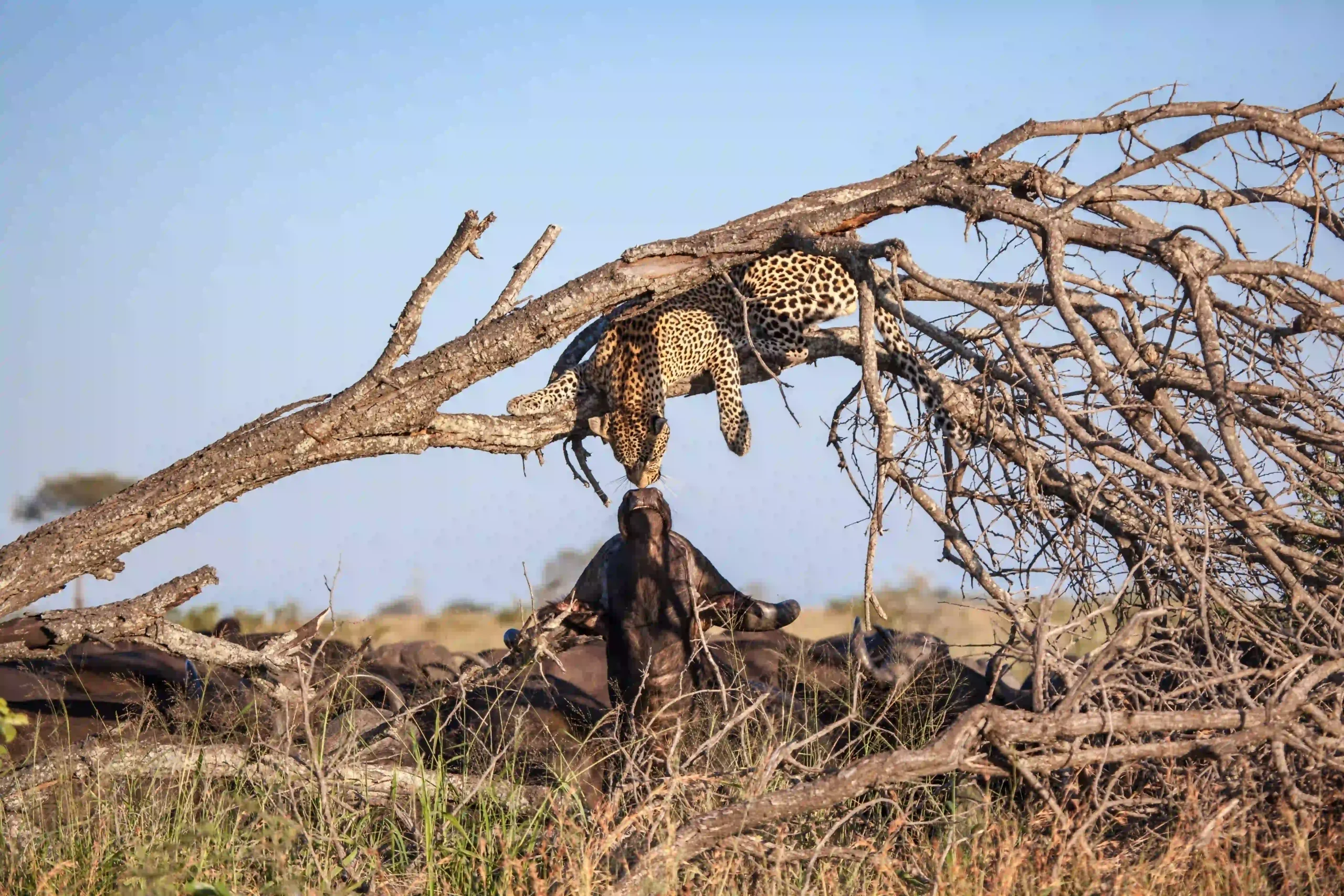
As the day develops, you move between forest, open clearings and lakeshore. Lake Manyara is known for its rich birdlife and for the possibility of seeing lions resting on large branches, although such sightings depend on conditions and a little luck. If you enjoy cultural experiences it is also possible to visit Mto wa Mbu village nearby for a short tour of farms and markets.
In the late afternoon you continue up the Rift Valley escarpment to Country Lodge in Karatu for dinner and overnight. The cooler air and garden setting here make a gentle transition between the first game areas and the plains of Serengeti that follow.
Day 4. Karatu to Serengeti National Park
Today you leave Karatu and climb gently through the Ngorongoro highlands before descending toward the open plains. The road passes Maasai bomas and wide views before you reach Naabi Hill, the main entrance to Serengeti National Park. While your guide completes the park formalities you can walk the short viewpoint trail for a first look at the plains that stretch into the distance.
Once inside Serengeti you begin game driving toward the central area. Along the way you pass granite kopjes that often shelter lions and other species that like rocky ground. By late afternoon you arrive at your tented camp such as Kati Kati or a similar central Serengeti lodge, ready for the next days of wildlife viewing.
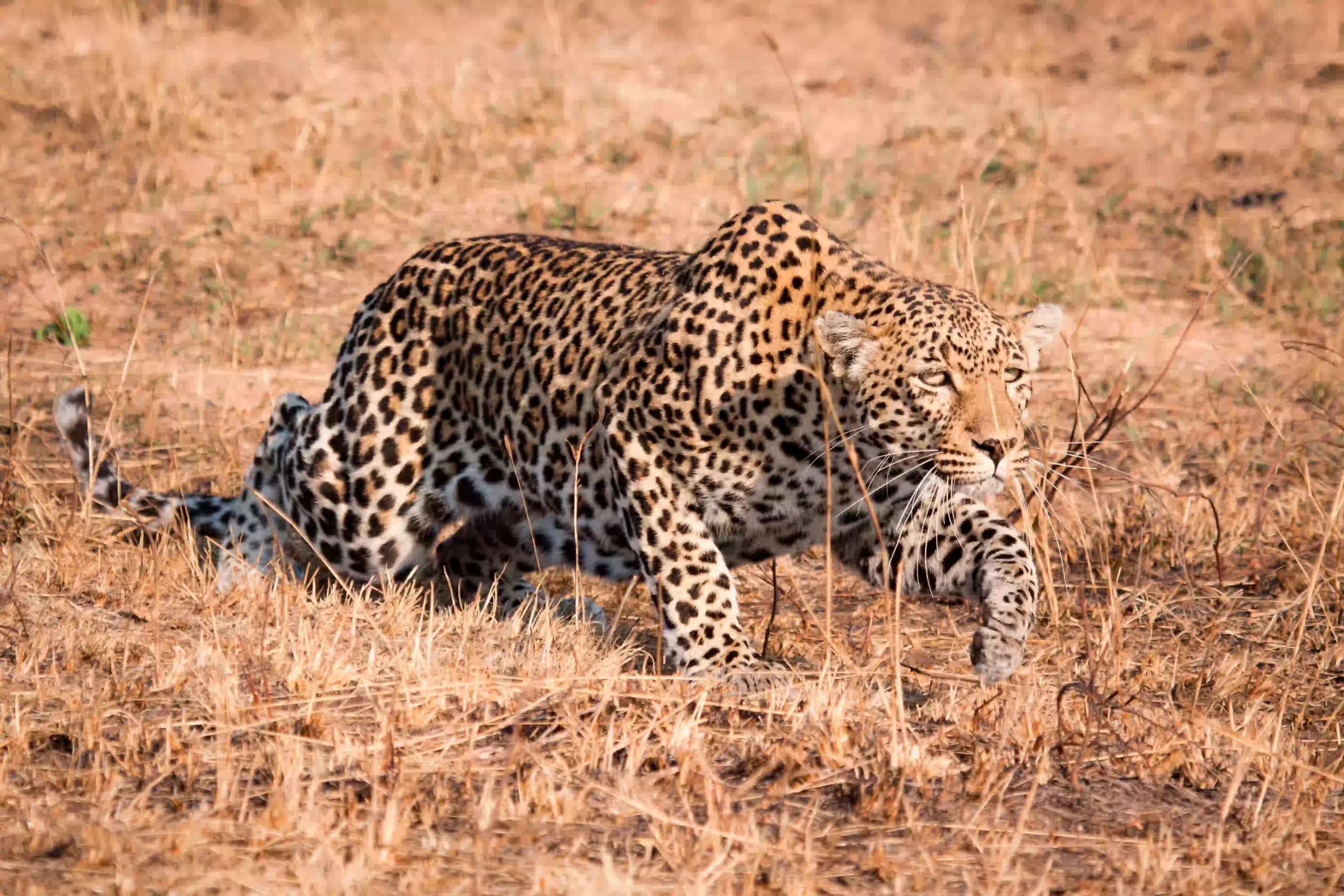
Day 5. Full day in central Serengeti
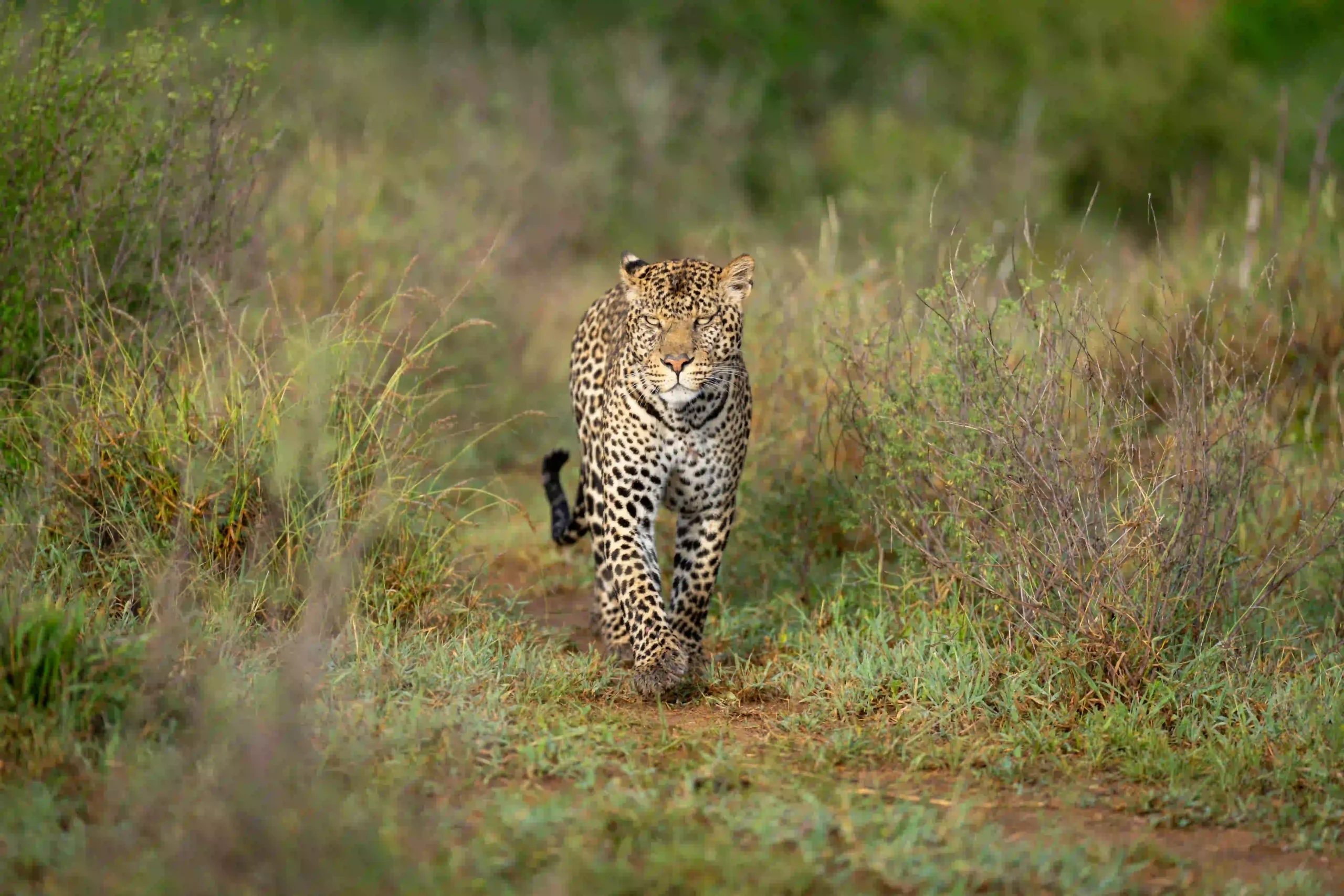
Central Serengeti holds a mix of river lines, open plains and kopjes. Because of this variety it supports resident lions, leopards and cheetahs throughout the year. You can head out early to catch first light on the grass and to look for predators returning from night hunts.
Later in the day you may choose to stay out with a picnic lunch or return to camp for a break and head out again in the afternoon. As the sun drops, the light becomes softer and the mood of the plains changes. Many guests like to use this time for slow sightings with elephants, giraffes and antelope. Your guide adjusts the timing around your interests so that you see a good balance of predators, general game and open landscapes.
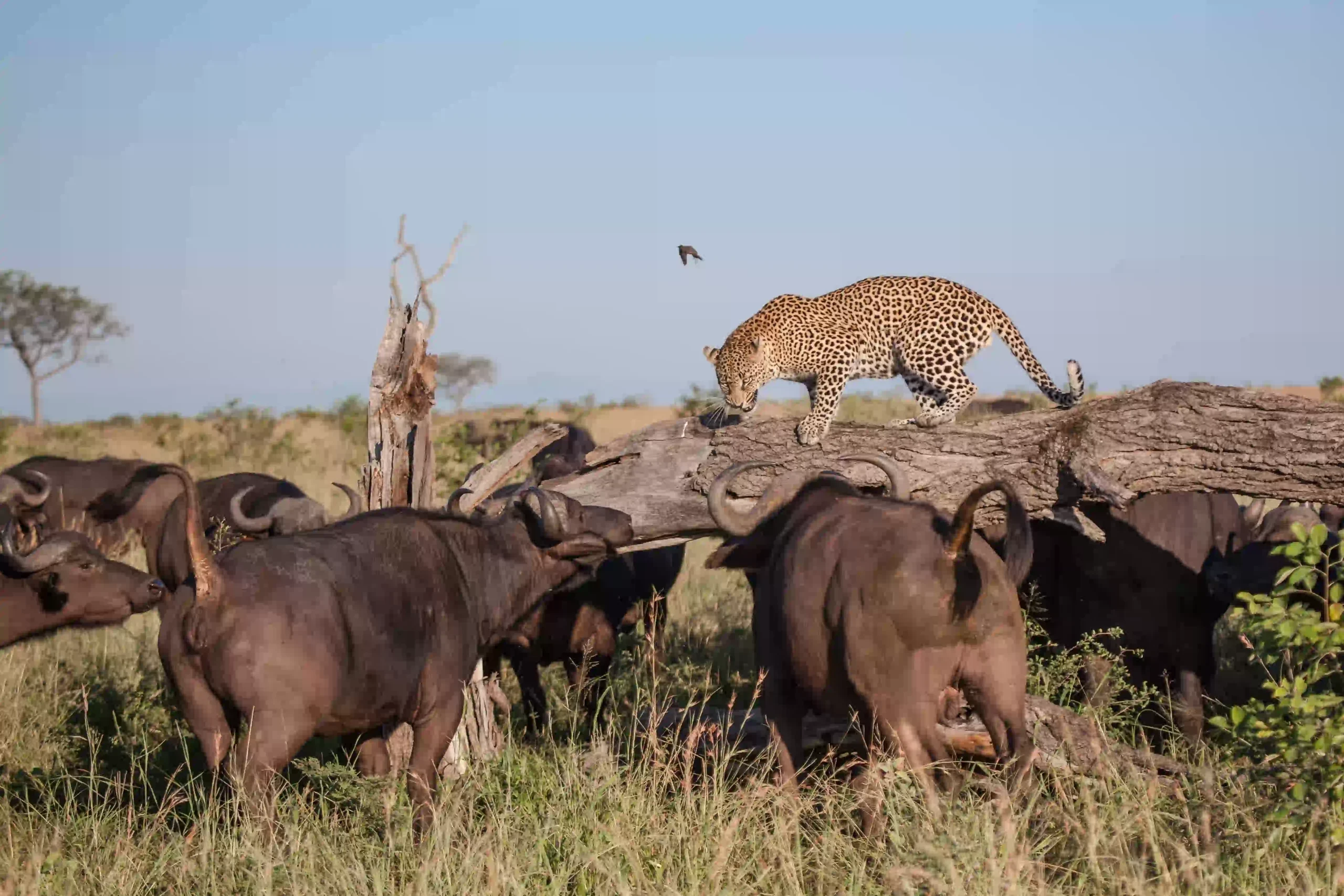
Day 6. Second full day in Serengeti
With a second full day in Serengeti you are free to explore different loops. One option is to work the river systems more deeply and look for crossings by zebra and wildebeest in season. Another possibility is to stay close to known leopard territories and wait for movement around trees or rocky ridges.
Because you already know the rhythm of the park you can also choose to rest longer at camp in the middle of the day and keep more time for sunrise and sunset sessions. Over these two days the guide builds on what you enjoyed most. As a result, the second day often feels even more tailored and steady, especially for photographers or guests who like to watch one scene quietly rather than move quickly between sightings.
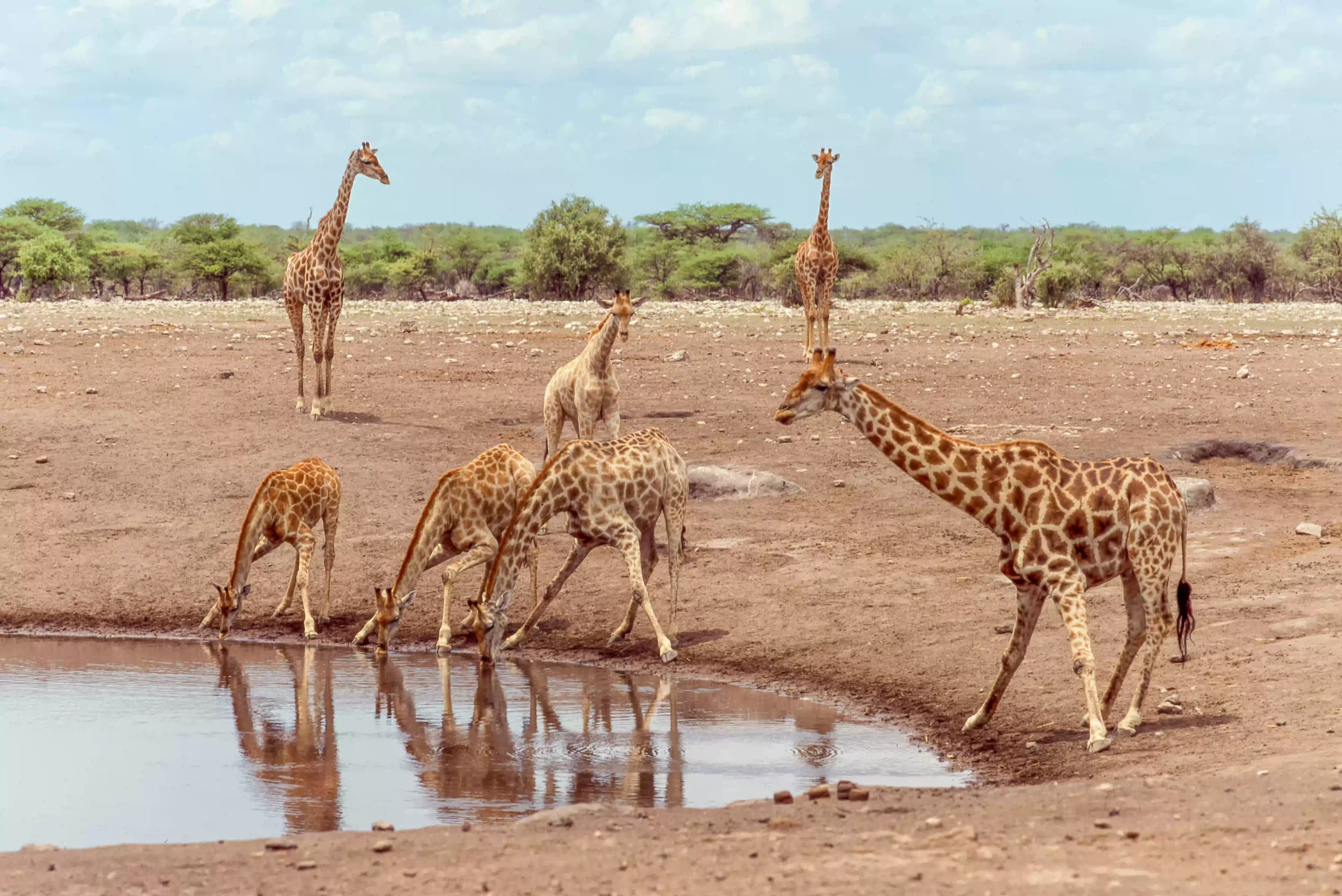
Day 7. Olduvai and Ngorongoro Highlands
After a final morning drive in Serengeti you begin the journey back toward the highlands. On the way you visit the Olduvai area, which is often called the cradle of humankind. Here you can see a small but important museum that explains the work of the Leakey family and the early human and animal fossils found in the gorge.
Later in the day the road climbs to the rim of Ngorongoro Crater. On a clear afternoon the lodge at the rim offers wide views into the caldera and across to the far wall. This is a good place to slow the pace, enjoy the cooler air of the highlands and prepare for the early crater descent the next morning.
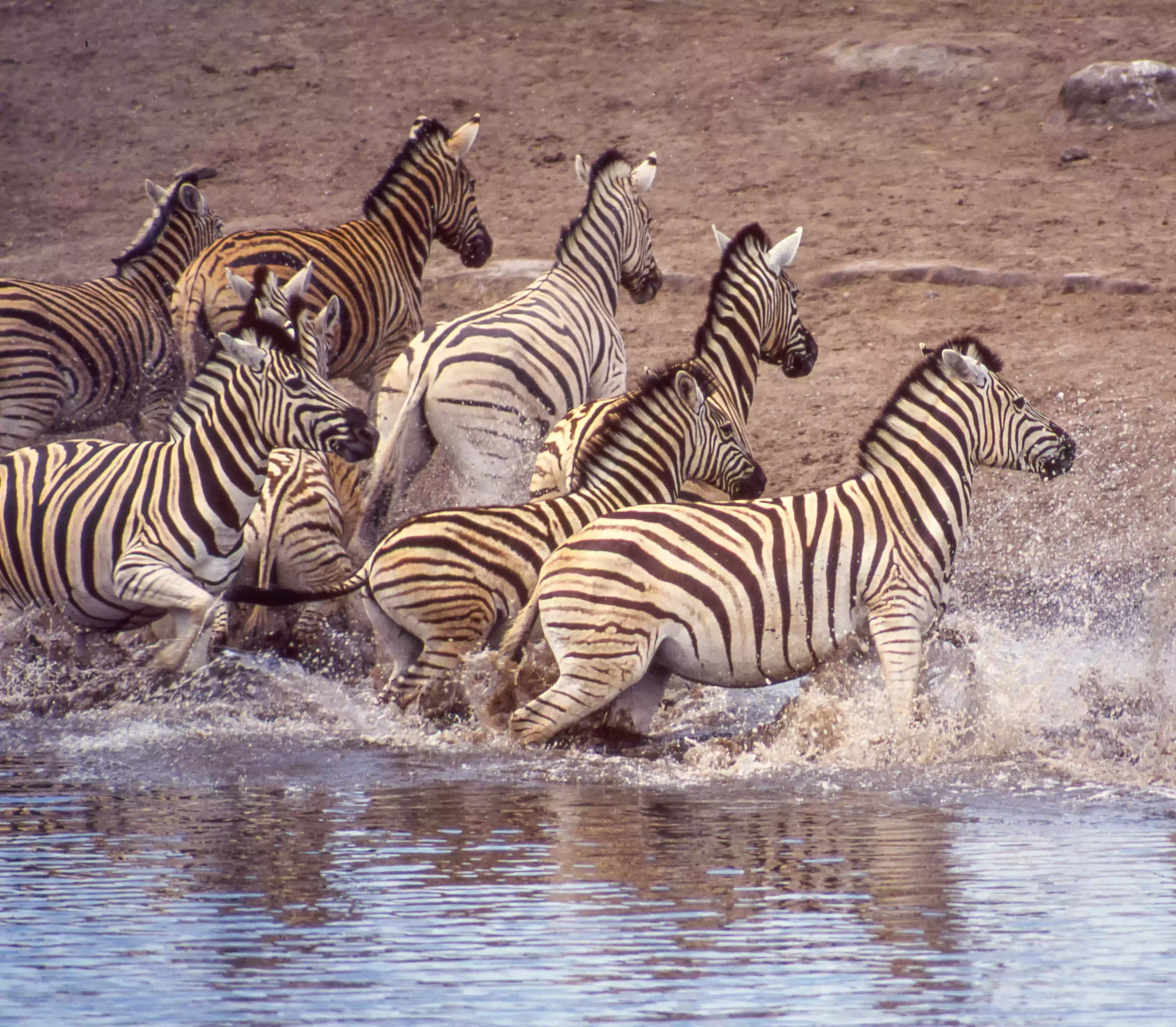
Day 8. Ngorongoro Crater and return to Arusha
At first light you leave the lodge and descend into Ngorongoro Crater ahead of the larger group tours. The floor of the crater holds a very high concentration of wildlife in a compact area, which means that game viewing often begins as soon as you reach the grass. There is a good chance to see large buffalo herds, healthy lion prides and, with a bit of patience, the endangered black rhino.
Once you have enjoyed a picnic breakfast at a quiet viewpoint, the morning continues with unhurried game drives. In the early afternoon you climb back up the crater wall and drive toward Arusha. A day room or overnight stay at The African Tulip can be added if you prefer extra rest before your transfer to Kilimanjaro Airport for your international departure.
Quick trip details
Three short questions to help us price and position the safari correctly.
Route and style of this 8 day Tanzania safari
Because this itinerary uses a simple arc from Arusha through Tarangire and Manyara to Serengeti and Ngorongoro, travel feels logical rather than rushed. You spend at least one night everywhere and several nights in the Serengeti, which is where many guests want the most time.
Drive-in or fly-in options
Most guests use a private 4x4 from start to finish. However, if you prefer to save time on the road, it is possible to add a flight in or out of Serengeti on selected days and keep the rest of the route by road.
Comfortable, good value lodges
Accommodation is selected to balance comfort and value. Rooms are clean and welcoming, and meals are simple but satisfying. It is easy to upgrade to deluxe or luxury lodges while keeping the same basic route.
Steady pacing for viewing
Two or three nights in each of the main wildlife areas mean you can adjust game drive times to match your energy and the current wildlife activity instead of driving long distances every day.
Support that starts at the airport
Visa assistance, Flying Doctor cover and airport transfers are all included. As a result, the logistics are handled quietly in the background while you focus on the experience in the parks.
Typical price for this 8 day Tanzania safari
Prices here are per person in USD for two travelers sharing. Final quotes depend on your dates, exact lodges and whether you choose any fly-in legs.
- Prices include private 4x4 vehicle, professional driver guide, park and conservation fees, full board at the listed lodges or similar and drinking water in the vehicle.
- They do not include international flights, some lodge drinks, visas, travel insurance or tips, which remain at your discretion.
For more context on how these ranges compare with shorter and longer safaris, you can also review the 2 to 13 day Tanzania safari cost overview.
Best time for this 8 day Tanzania safari
Wildlife on this route is strong throughout the year. Even so, the feel of the journey shifts with the seasons, so these notes help guide expectations before we look at your exact dates.
June to October
This is the main dry season with clear air, comfortable days and cool mornings. Tarangire is at its best as animals converge on the river, and central Serengeti still holds resident cats and general wildlife.
November
Short rains often begin around this time. The light can be beautiful and the parks are quieter. Road conditions remain workable, and landscapes start to shift from dusty tones to fresh greens.
December to March
These months often line up with migration herds moving toward the southern Serengeti and Ndutu. If you would like a stronger calving focus, we can adjust some nights to the short grass plains while keeping the 8 day length.
April and May
Long rains may arrive, bringing greener scenery, fewer vehicles and softer light. Travel can be very rewarding for photographers who do not mind some mud and occasional showers.
What is included and not included
Included
- Private 4x4 safari vehicle with pop top roof and fridge for drinks.
- Professional driver guide for the full 8 days.
- Park, concession and conservation fees on the route.
- Full board at The African Tulip, Osupuko Tarangire, Country Lodge, Kati Kati Tented Camp or similar in each category and Ngorongoro Serena or equivalent.
- Airport transfers at the beginning and end of your safari.
- Drinking water in the vehicle during all game drives.
- Tourist visa assistance and Flying Doctor cover as specified in your final confirmation.
Not included
- International flights to and from Tanzania.
- Some drinks, personal items and any additional activities not listed in your quote.
- Travel insurance and visa fees where not included in your package.
- Tips for guides, lodge staff and other services.
Why plan this 8 day safari with Hazina Afrika
Experience with classic routes
Hazina Afrika has been running northern Tanzania itineraries since 2012. The team knows which order of parks keeps driving distances reasonable while still covering the highlights.
Field rhythm that matches the light
Days are planned around first and last light, which is when many animals are most active. Midday remains flexible so you can rest, continue game drives or enjoy the lodge as you prefer.
One guide for your whole trip
Keeping the same guide from day one builds trust and understanding. As the safari unfolds, they fine tune each day around your pace and interests rather than follow a fixed script.
Support behind the scenes
Visa help, Flying Doctor cover and backup in Arusha sit quietly behind the scenes. That way you feel looked after from the first greeting at the airport to the final goodbye at departure.
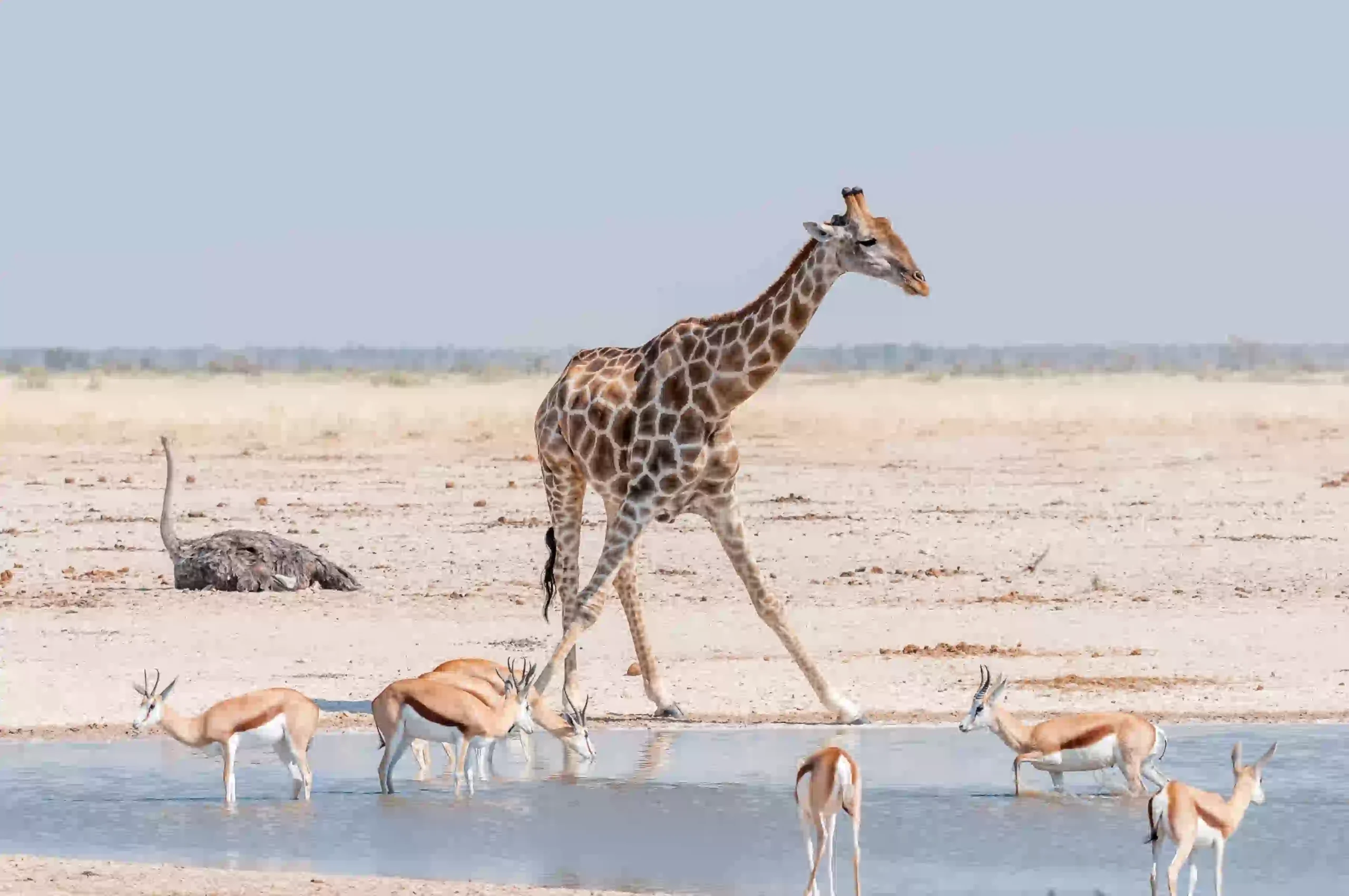
Scenes from recent 8 day Tanzania safaris
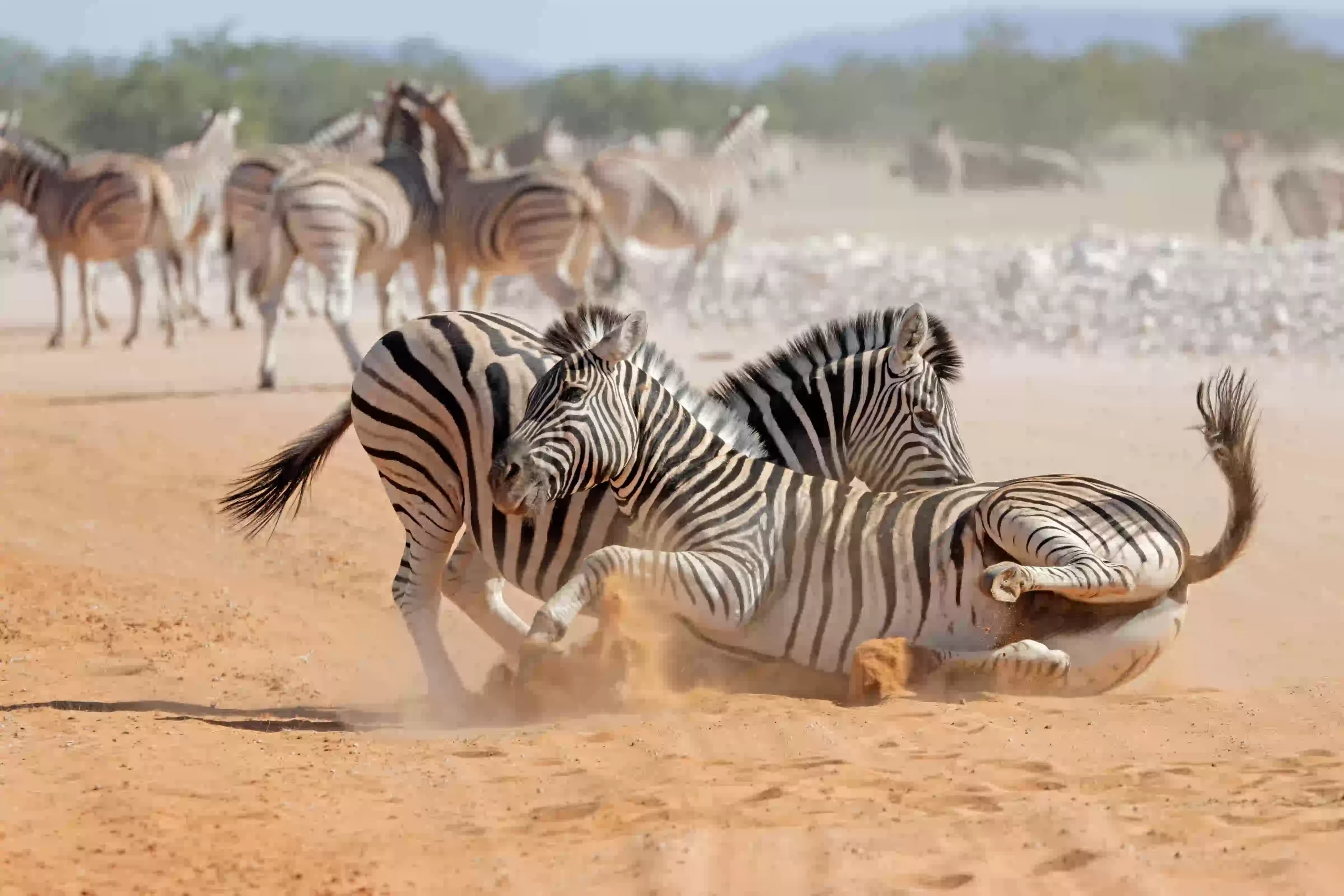
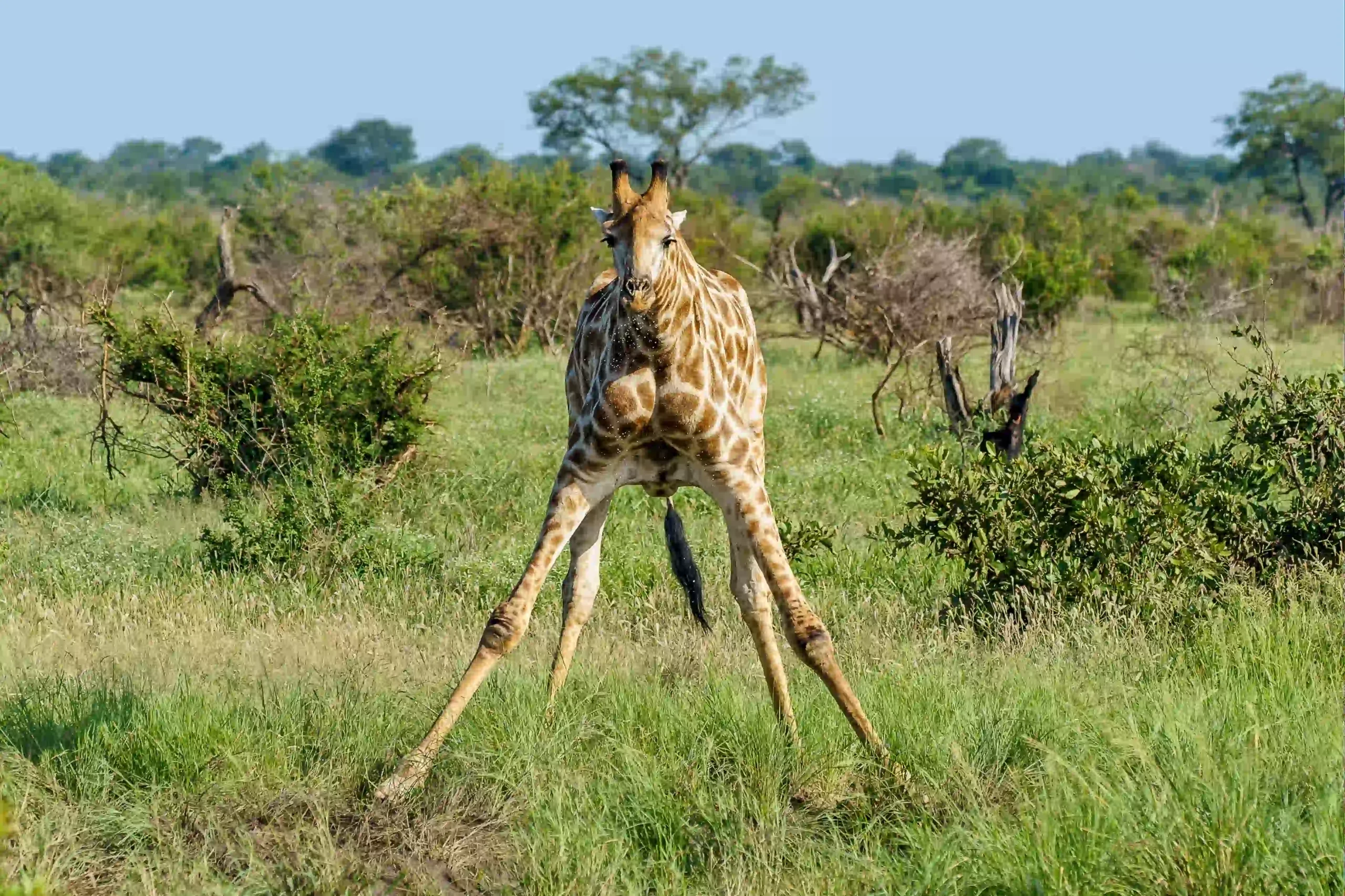
These images reflect the feel of recent safaris on a similar route. Actual wildlife sightings vary, yet the mix of landscapes and species remains consistent year after year.
Guest reviews
Many guests who travel on an 8 day route like this mention the steady pacing, the consistency of having one guide and the feeling that the days are tuned to them rather than a fixed schedule.
Frequently asked questions about this 8 day Tanzania safari
Is this 8 day Tanzania safari better as a fly-in or drive-in
Both versions work well. A full drive-in keeps you connected to the landscape and is usually more economical. By contrast, adding a flight into or out of Serengeti saves time on the road and can be helpful if your dates are tight. We can review both options based on your dates and budget.
Is this itinerary suitable for a first safari
Yes, it is a strong first safari. The route is designed as a classic introduction to northern Tanzania and includes Tarangire, Lake Manyara, Serengeti and Ngorongoro Crater in one journey, which gives a good cross section of habitats and wildlife.
Can this 8 day Tanzania safari work for families
The pacing and lodge choices can be tailored for families. Game drives can be shortened or split into two sessions and camps with family rooms and open space can be selected so that children have time to rest and explore between drives.
Can I extend this 8 day Tanzania safari
Extending this trip is straightforward. Extra nights in Serengeti, Arusha or on Zanzibar can be added at the beginning or end of the core 8 day itinerary, depending on whether you want more wildlife time or time at the coast.
How far in advance should I book
For peak months such as June to October and over the festive season it is best to book several months ahead. During shoulder and green season there is usually a little more flexibility, although earlier planning still helps with lodge choice and flight times.
Send your enquiry
Your trip details are copied into the short form below. Please review everything, add any final notes and send your enquiry so we can prepare a clear proposal.