10 Day Tanzania Safari Tour and Cultural Activities
Ten relaxed days that mix Serengeti wildlife, Ndutu migration, Ngorongoro Crater, Lake Manyara and a full cultural day with the Hadzabe and Datoga near Lake Eyasi, all with a private 4x4 and an experienced guide.
10 day Tanzania safari and culture overview
This 10 day Tanzania safari tour is designed for guests who want a strong mix of wildlife and culture without rushing from one place to another. Time in central Serengeti and Ndutu focuses on the migration and big cats. Later you explore Ngorongoro Crater, Lake Manyara and Lake Eyasi with a full day alongside the Hadzabe and Datoga communities.
You start with an easy arrival in Arusha and a gentle town day before flying into the Serengeti. From there the route flows through open plains, crater highlands and Rift Valley forests. Days stay flexible so you can use early and late light for game drives or spend longer with people and places that interest you most.
For cost ranges across different safari lengths you can also view the wider Tanzania safari cost guide, then come back to this 10 day plan when you are ready to look at dates.
10 day Tanzania safari tour and culture itinerary
Routing and camp names can adjust slightly with season while keeping the same balance between wildlife and cultural time.
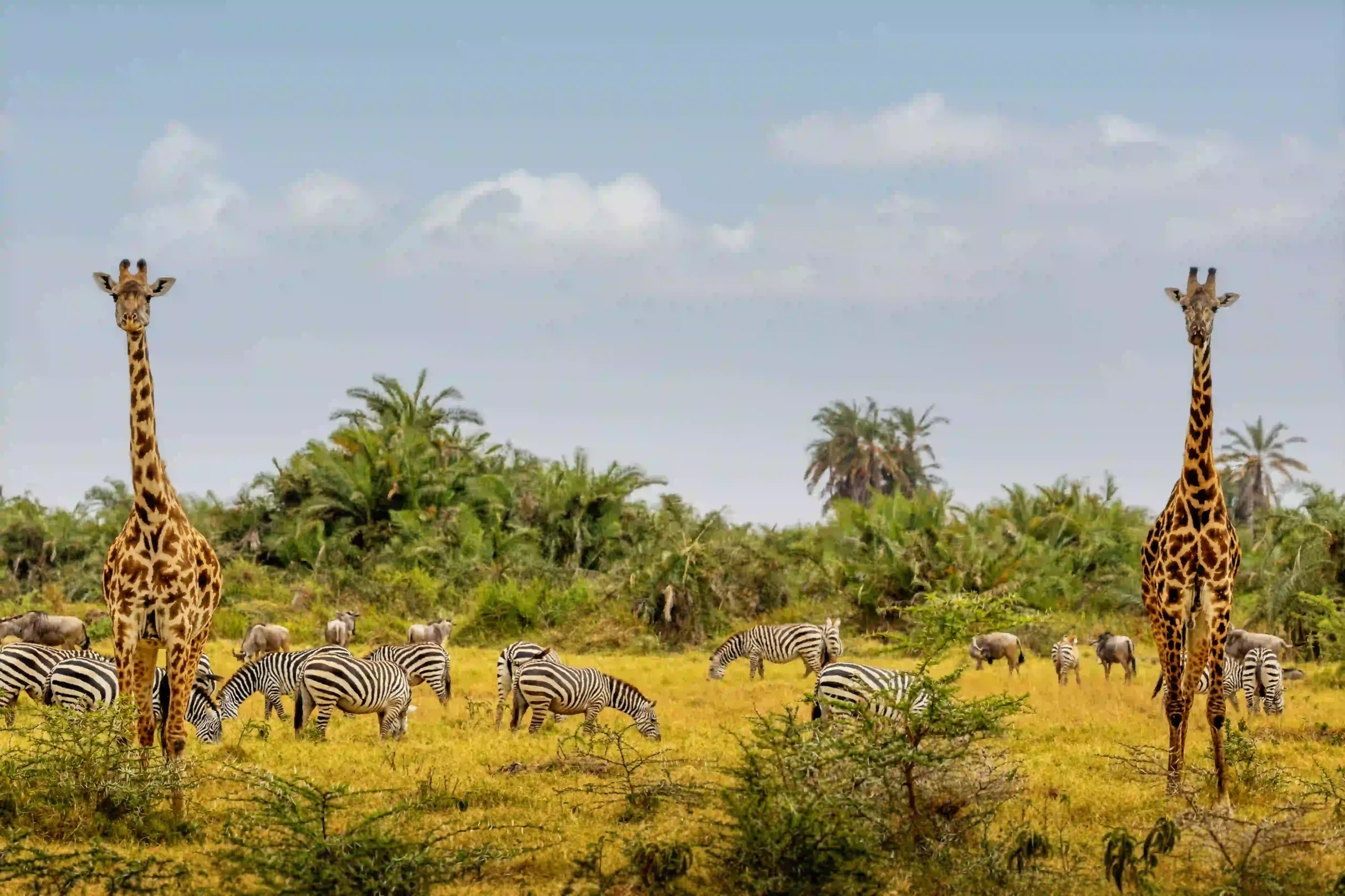
Day 1. Arrival at Kilimanjaro and transfer to Arusha
When you land at Kilimanjaro airport a Hazina Afrika representative meets you in the arrivals area, assists with your tourist visa, helps with bags and guides you through customs. Outside the secure zone a transfer host welcomes you and begins the journey toward Arusha. The road transfer usually takes about one hour, which allows a first look at the countryside without any pressure. After check in at The African Tulip Boutique Hotel you can rest, enjoy dinner and receive a simple briefing for the safari days ahead.
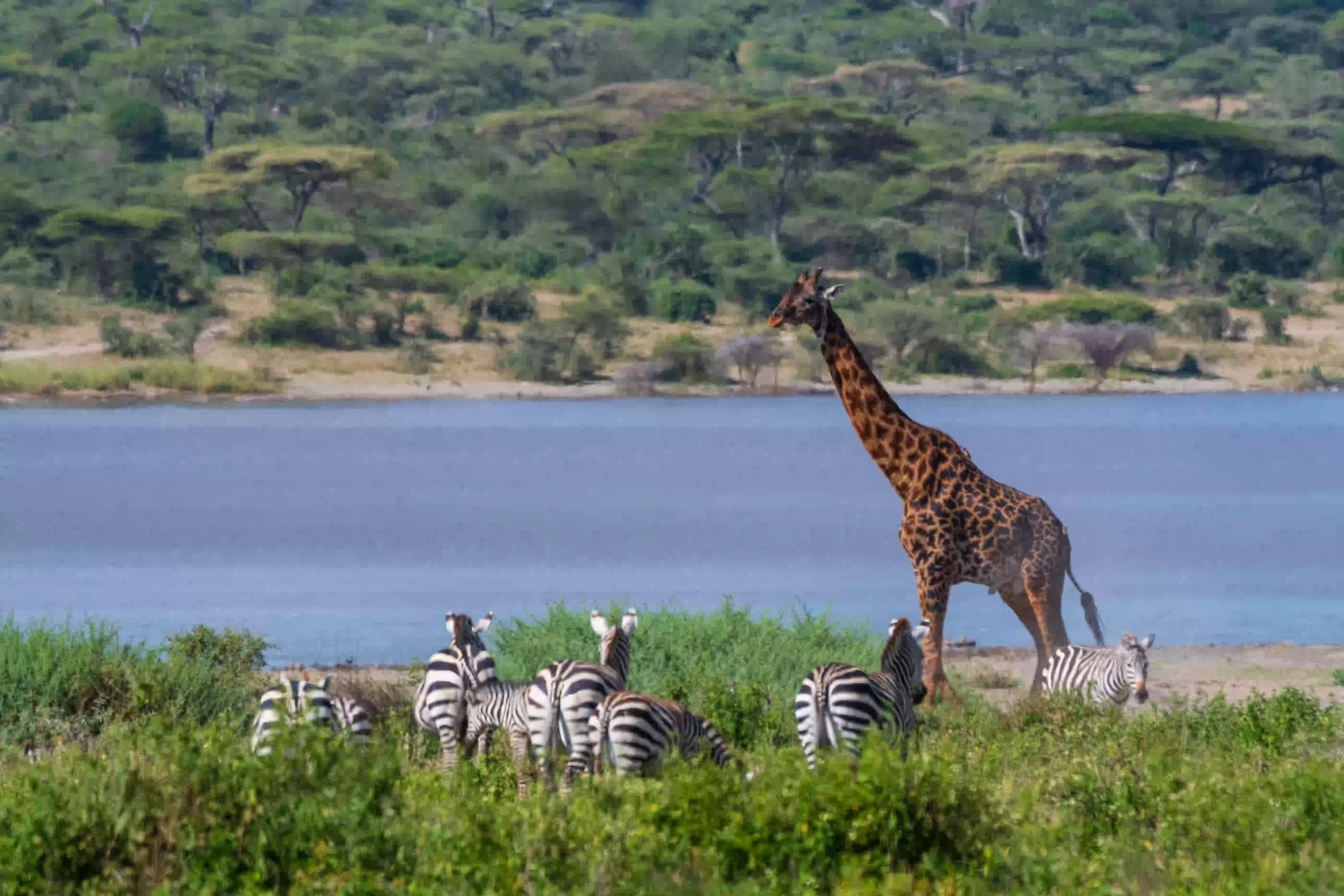
Day 2. Arusha town, markets and coffee
After a leisurely breakfast your city guide collects you at The African Tulip. The day moves through different sides of Arusha, starting with historic sites and local markets where residents buy daily goods. A visit to a primary school or orphanage offers a thoughtful look at community life. Later you travel to the calm grounds of Arusha Coffee Lodge for a hot buffet lunch and a guided walk through Burka Coffee Estates. The afternoon finishes at the Shanga workshop, where a team of disabled Tanzanians create glass, bead and textile pieces. By evening you are back at the hotel with a clearer feel for the town that supports many safaris.
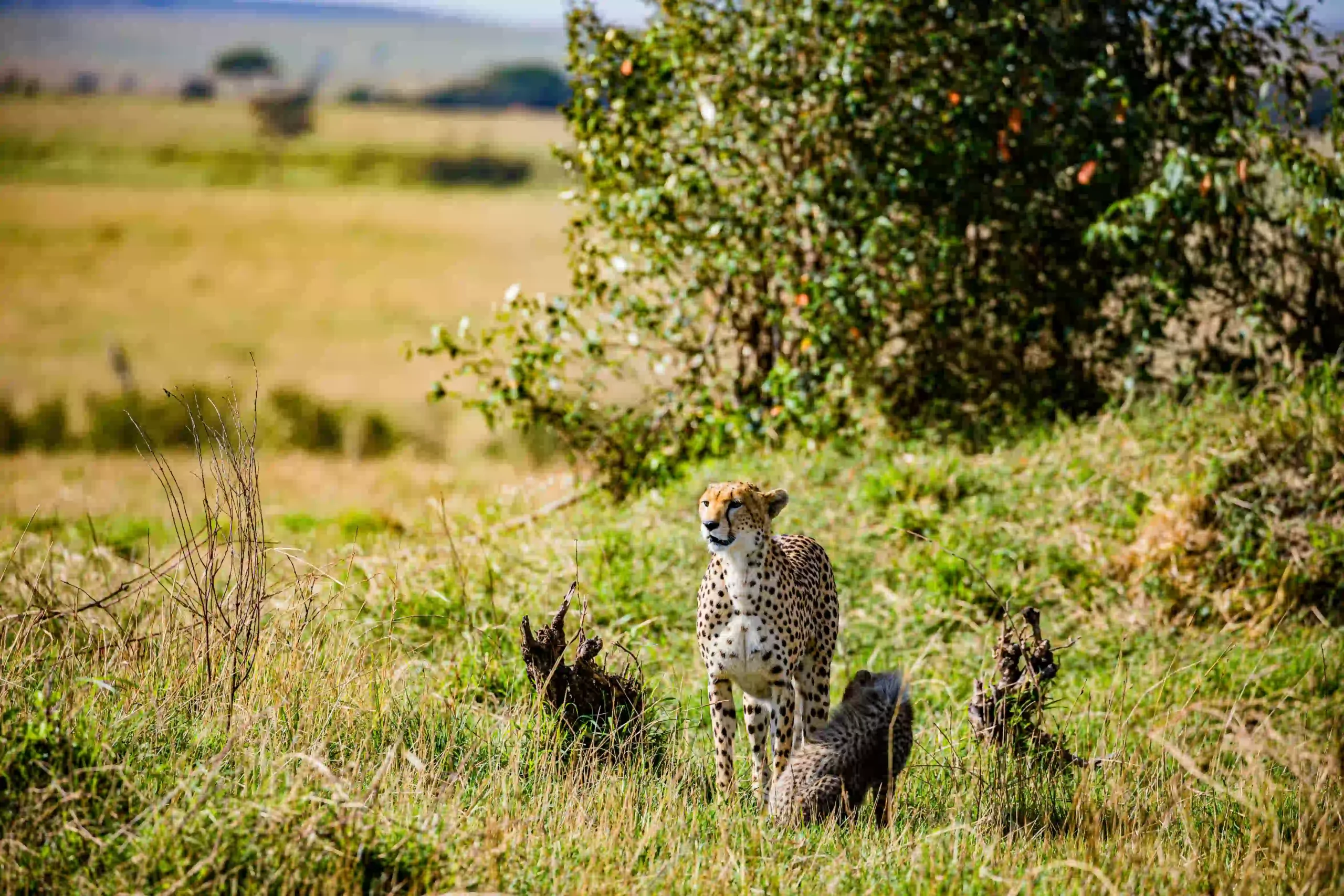
Days 3 and 4. Central Serengeti from the air
On day three a Hazina representative transfers you to Arusha domestic airstrip for an early flight to central Serengeti. The route passes over Ngorongoro Crater and southern plains and gives you a helpful view of the ground you will later cover by road. Once you land at Seronera airstrip your driver guide meets you and the safari begins properly with a first game drive toward camp.
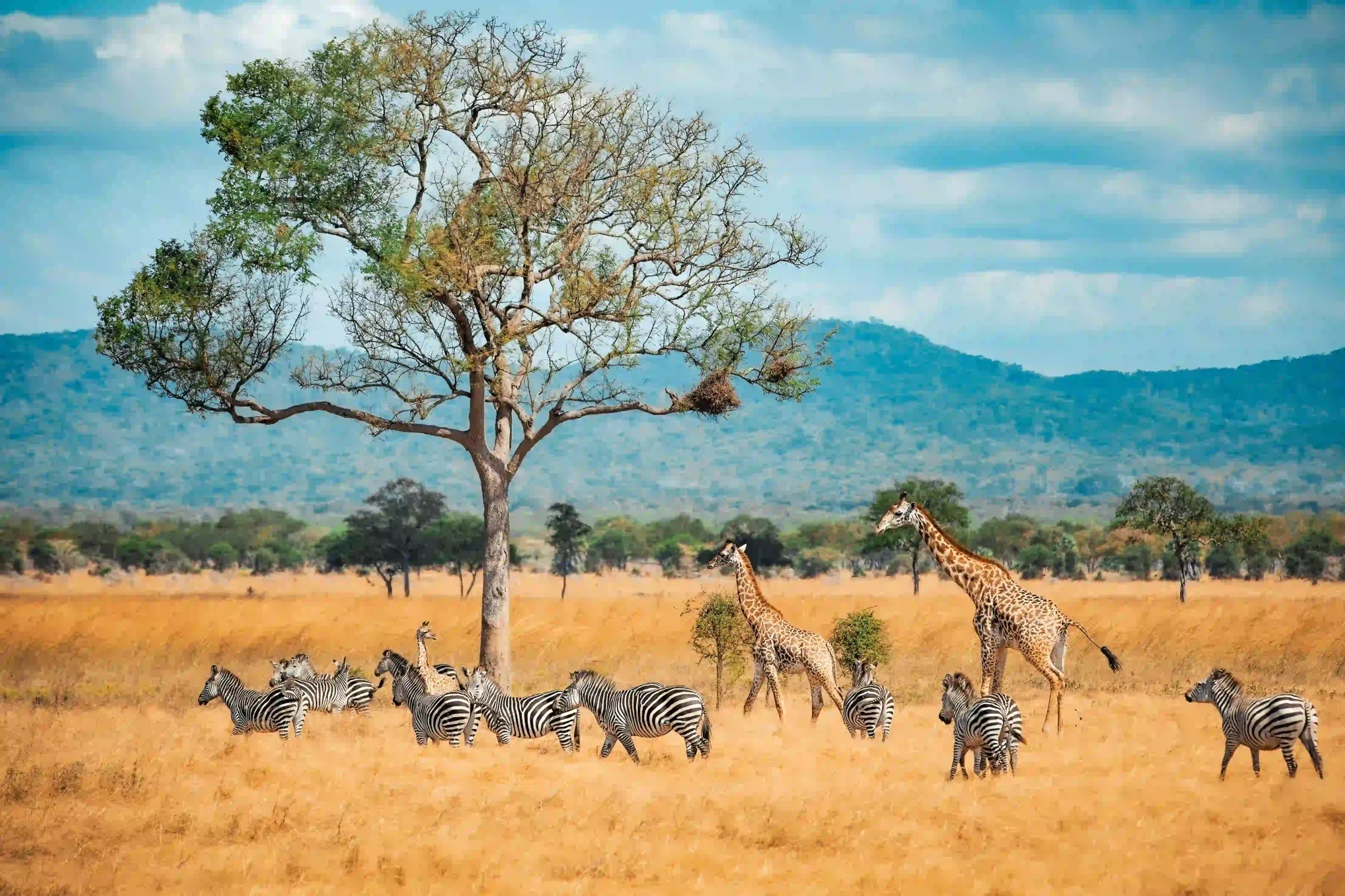
During the next two days you explore the Seronera River Valley and surrounding plains. This part of Serengeti holds a mix of woodland, river lines and open ground that support a wide range of wildlife. Lion research and other projects are based here because the density of animals is so high. Your guide chooses a pattern of early starts, midday breaks and late afternoon loops that fits the season and your energy level. Two nights are spent at Pumzika Serengeti Camp or a similar semi mobile camp in central areas.
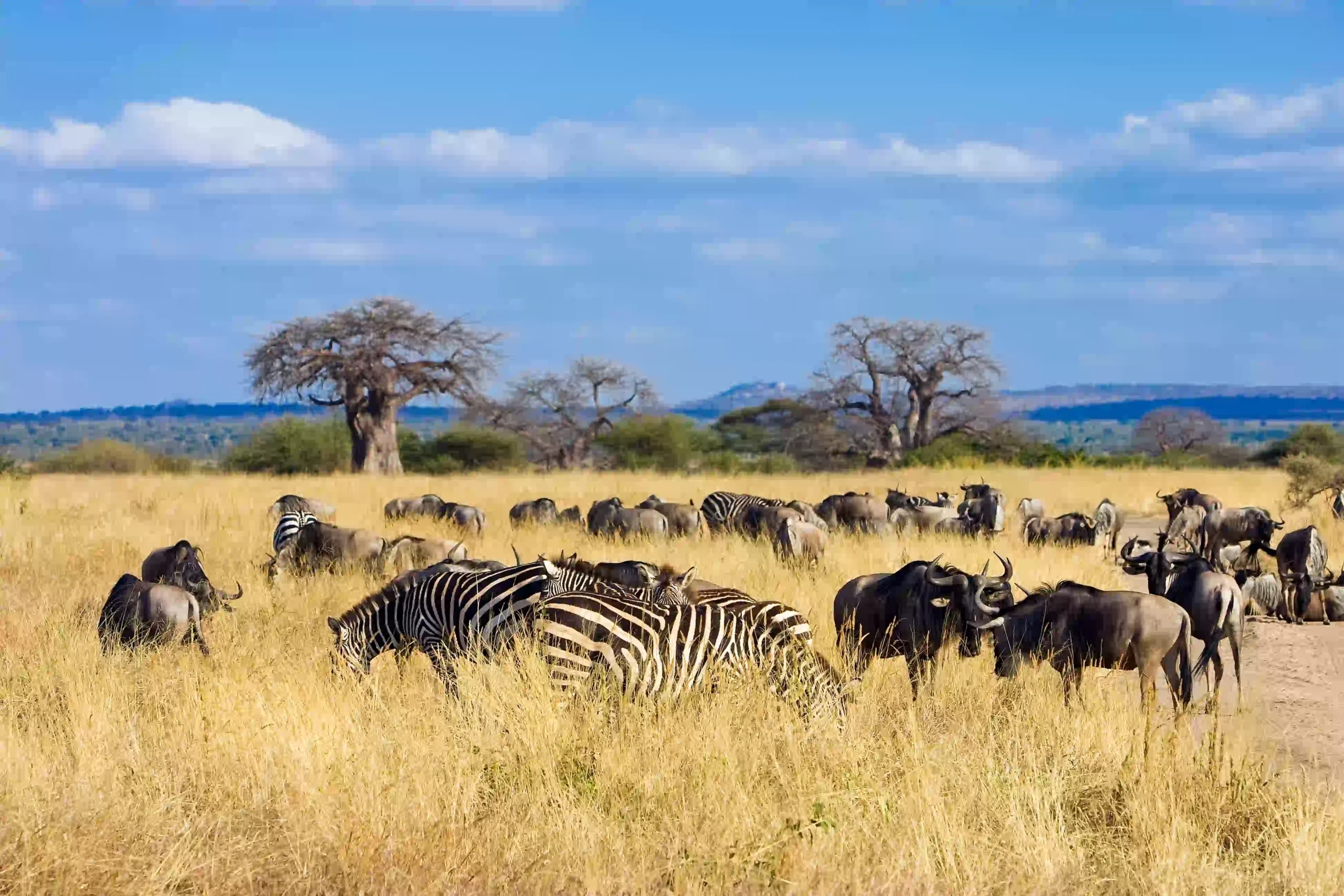
Days 5 and 6. Ndutu and the southern plains
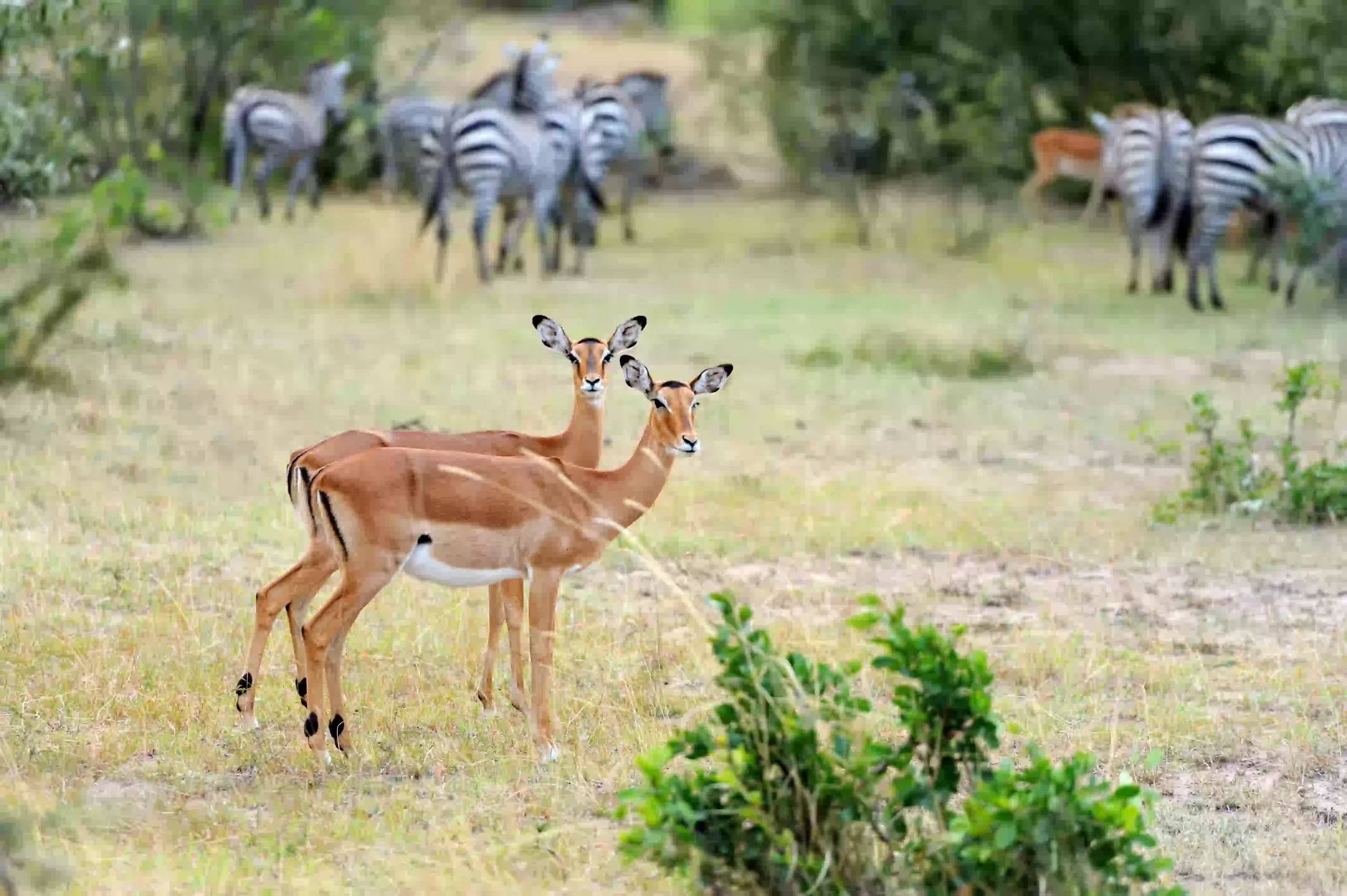
After a final central Serengeti drive you head toward the Ngorongoro Conservation Area and the Ndutu region. The landscape slowly shifts from more wooded country to open, short grass plains dotted with small pockets of trees. In the green season between December and April large parts of the migration gather here to calve, with zebra, eland and Thomson gazelles spread across the plains.
While you are in Ndutu you spend time with the herds when they are close and follow predators that move along the edges. Lions, cheetahs, hyenas and jackals often work this area when young animals are present. When conditions are right the combination of open sight lines and soft light makes this one of the best places in Africa to watch predator and prey interact. Nights are at Angata Migration Camp or a comparable camp that moves with the seasonal flow.
Day 7. Olduvai and Ngorongoro highlands
In the morning you complete your last game drive in the plains and then travel southeast toward the Ngorongoro highlands. On the way you visit Olduvai, one of the most important prehistoric sites on the continent. The small museum explains how the Leakey family and other researchers uncovered hominid fossils and tools that span nearly two million years.
Later the road climbs the outer crater walls and the air cools as you gain height. By mid to late afternoon you reach Ngorongoro Serena Lodge or similar accommodation on the rim. When clouds lift, the view down into the caldera gives a first impression of where you will spend the next morning.
Day 8. Ngorongoro Crater and on to Karatu
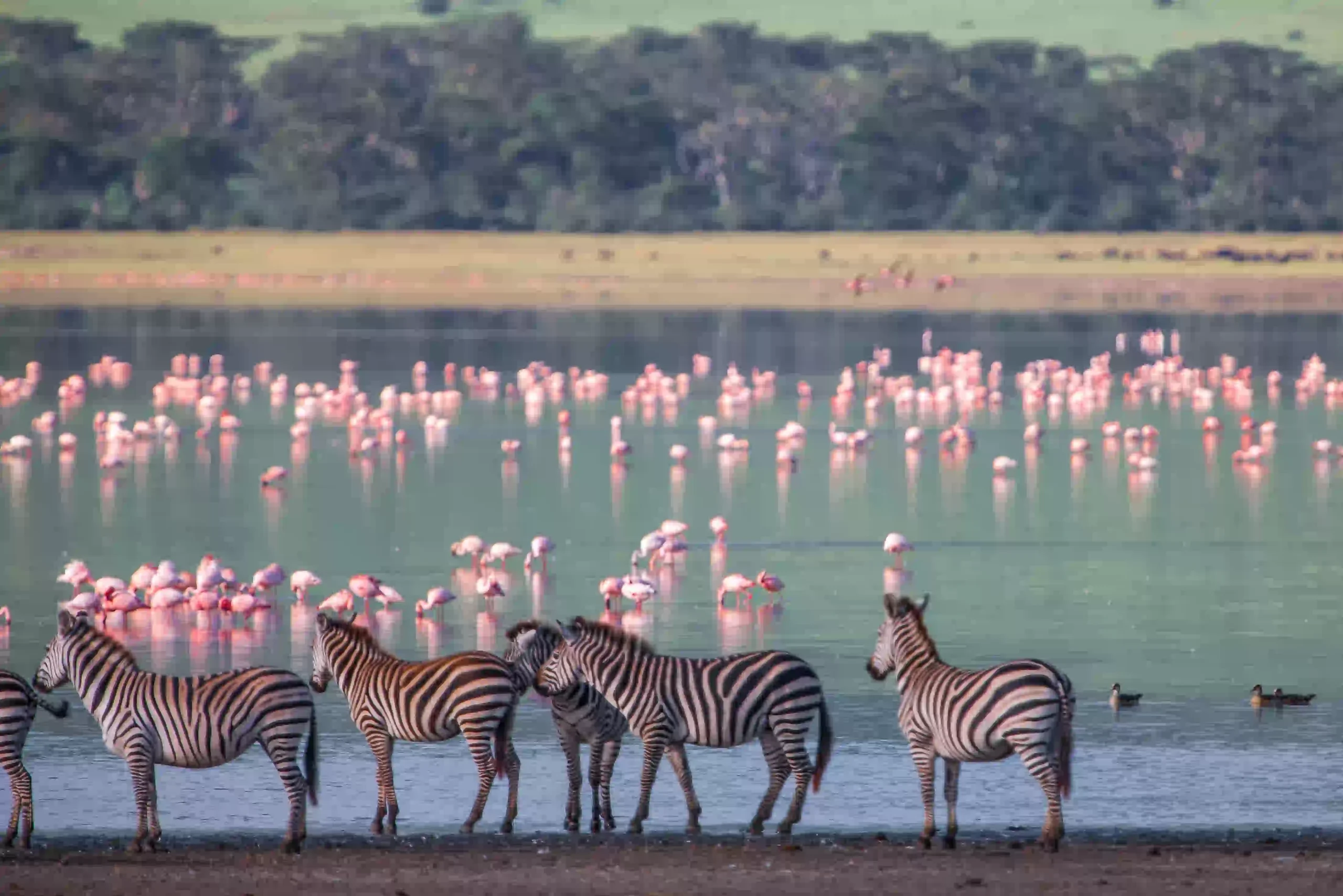
Before sunrise you drive down into Ngorongoro Crater to make the most of the quiet early hours. This natural basin holds a high density of wildlife including black rhino, large buffalo herds, lions and many types of plains game. The steep walls keep animals in a relatively contained space which makes the crater very productive for viewing and photography.
After a picnic breakfast you continue to explore different corners of the floor, moving between lake edges, grassland and woodland pockets. In the early afternoon you climb back to the rim, leave the conservation area and continue to Endoro Lodge near Karatu. The lodge gardens provide a calm place to rest after a full wildlife day.
Day 9. Lake Eyasi with Hadzabe and Datoga
At first light you leave Endoro Lodge and head toward Lake Eyasi. The drive passes through farmland and small settlements before dropping into more remote country near the lake. At the Lake Eyasi cultural centre you meet your local guide who introduces you to the Hadzabe community.
The Hadzabe are among the last practicing hunter gatherers in East Africa and still follow many patterns that shaped life on these plains for thousands of years. When conditions allow you can join a short morning hunt or gathering walk to see how they move through the landscape. Later you visit a nearby Datoga village where metal working and everyday life offer a different view of the region. By late afternoon you return to Endoro Lodge with a deeper sense of how people live beside the wildlife you have been watching.
Day 10. Lake Manyara and return to Arusha
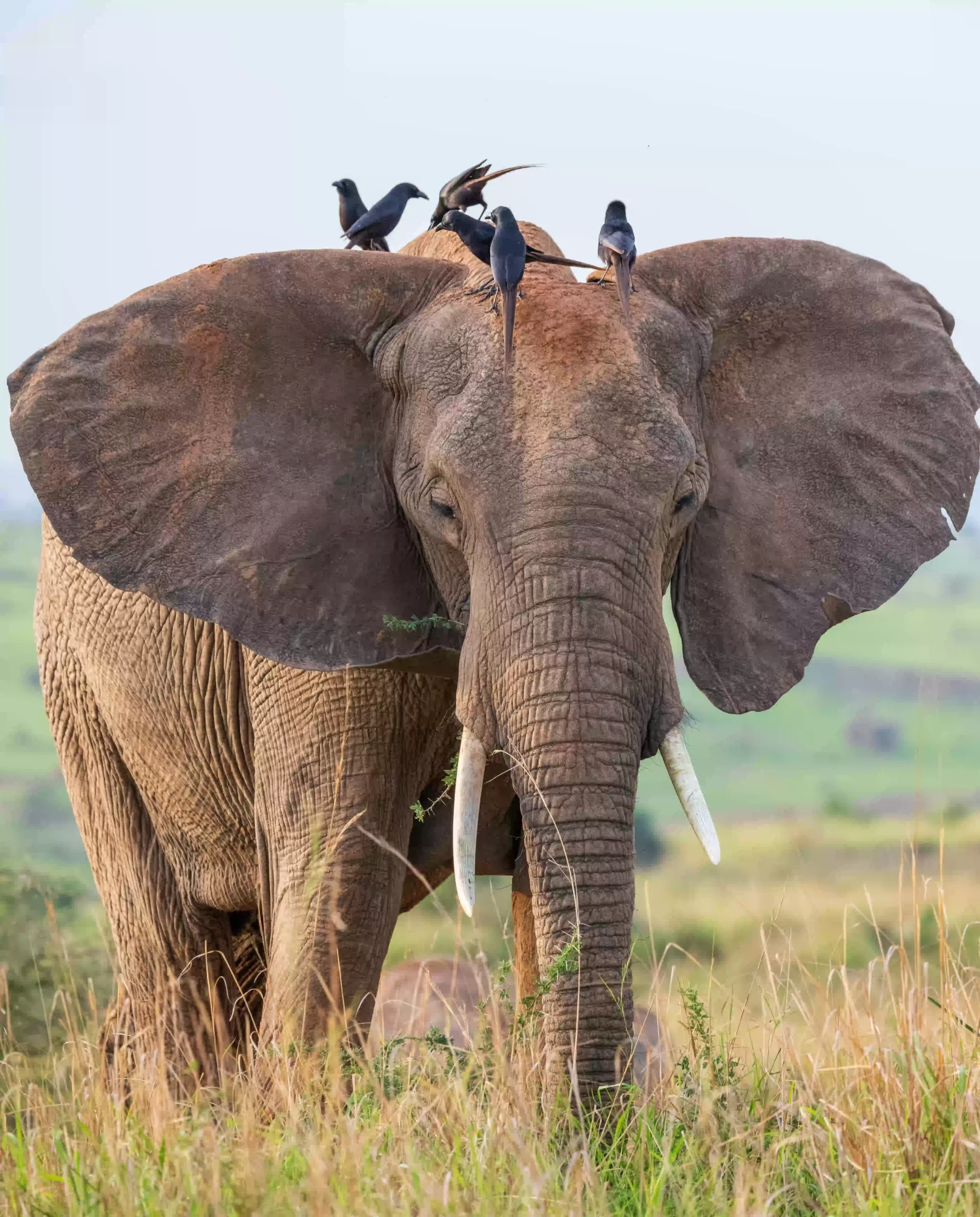
After breakfast you travel about half an hour to Lake Manyara National Park. The entrance leads straight into groundwater forest which feels very different from the open Serengeti and crater landscapes. Elephants, baboons and other primates often use the shade while birdlife is rich along forest edges and the lake shore.
Although Lake Manyara is known for tree climbing lions, views through the forest can be limited, so sightings are always treated as a bonus rather than a guarantee. Late in the morning you exit the park and head back toward Arusha. A day room and early dinner at The African Tulip keep you comfortable before your evening transfer to Kilimanjaro airport for your flight home. If you want to shorten the journey there is also the option to consider a shorter plan such as the 4 day fly in safari that focuses on Serengeti and Ngorongoro only.
How this 10 day safari balances wildlife and culture
This itinerary keeps strong time in Serengeti and Ndutu for the migration while also giving entire days to cultural experiences that are not rushed. The rhythm works for guests who want close wildlife viewing together with thoughtful time in towns and villages.
Serengeti and Ndutu for migration
Central Serengeti and the southern plains give you a good chance to be near the migration at some point in the season. Even when main herds shift, resident cats and general wildlife keep these days busy and rewarding.
Ngorongoro Crater finale
Finishing with a crater day concentrates viewing in a small area. This often produces very strong sightings in a short time, including the chance for black rhino, large buffalo herds and iconic crater lions.
Arusha town day
The day in Arusha lets you reset your body clock, meet people who keep the safari economy running and understand more about the place you are visiting, rather than simply passing through on the way to the bush.
Lake Eyasi cultures
Time with the Hadzabe and Datoga near Lake Eyasi is handled with respect and clear guidance. The goal is to listen and observe rather than stage performances, which makes the experience more natural for everyone.
Typical price for this 10 day Tanzania safari tour
Rates below are per person in USD for two travelers sharing. Final quotes adjust with season, exact camps and the balance between drive in and fly in segments.
- Prices include private 4x4, professional driver guide, park and conservation fees, internal flights where listed, airport transfers and full board at the named or similar lodges.
- They exclude international flights, some drinks, visas, travel insurance and tips, which remain at your discretion.
For more context you can compare these numbers with the wider Tanzania safari cost guide before requesting a confirmed quote for your dates.
Best time for this 10 day Tanzania safari tour
The route works all year, although the feel of each day changes with season. These notes give a simple overview before we look at your specific dates and preferences.
December to April
Often the key time for the migration around Ndutu and southern plains. Calving usually happens in this window, and grass is green and short which helps both viewing and photography.
May and June
Green landscapes remain and some herds begin to move north. Central Serengeti still holds very good wildlife, and cultural days feel fresh with softer temperatures.
July to October
Dry season across much of the route. Crater and Manyara viewing confidence stays high while central Serengeti continues to work for resident cats and general game.
November
Short rains often return and herds may move back toward the south. This can be a good month for guests who prefer fewer vehicles, a softer light and a mix of green and gold tones.
What is included and not included
Included
- Private 4x4 safari vehicle with pop top roof and fridge for drinks.
- Professional driver guide for the full 10 days.
- Park, concession and conservation fees on the route.
- Full board at The African Tulip, Pumzika Serengeti Camp, Angata Migration Camp, Ngorongoro Serena and Endoro Lodge or similar lodges in the same category.
- Airport transfers at the start and end of your trip.
- Drinking water in the vehicle during all game drives.
Not included
- Some lodge drinks, personal items and similar expenses.
- Optional activities such as balloon flights or extra cultural stops that you add outside the quoted plan.
- International flights, visas and travel insurance.
- Tips for guides, camp staff and other services.
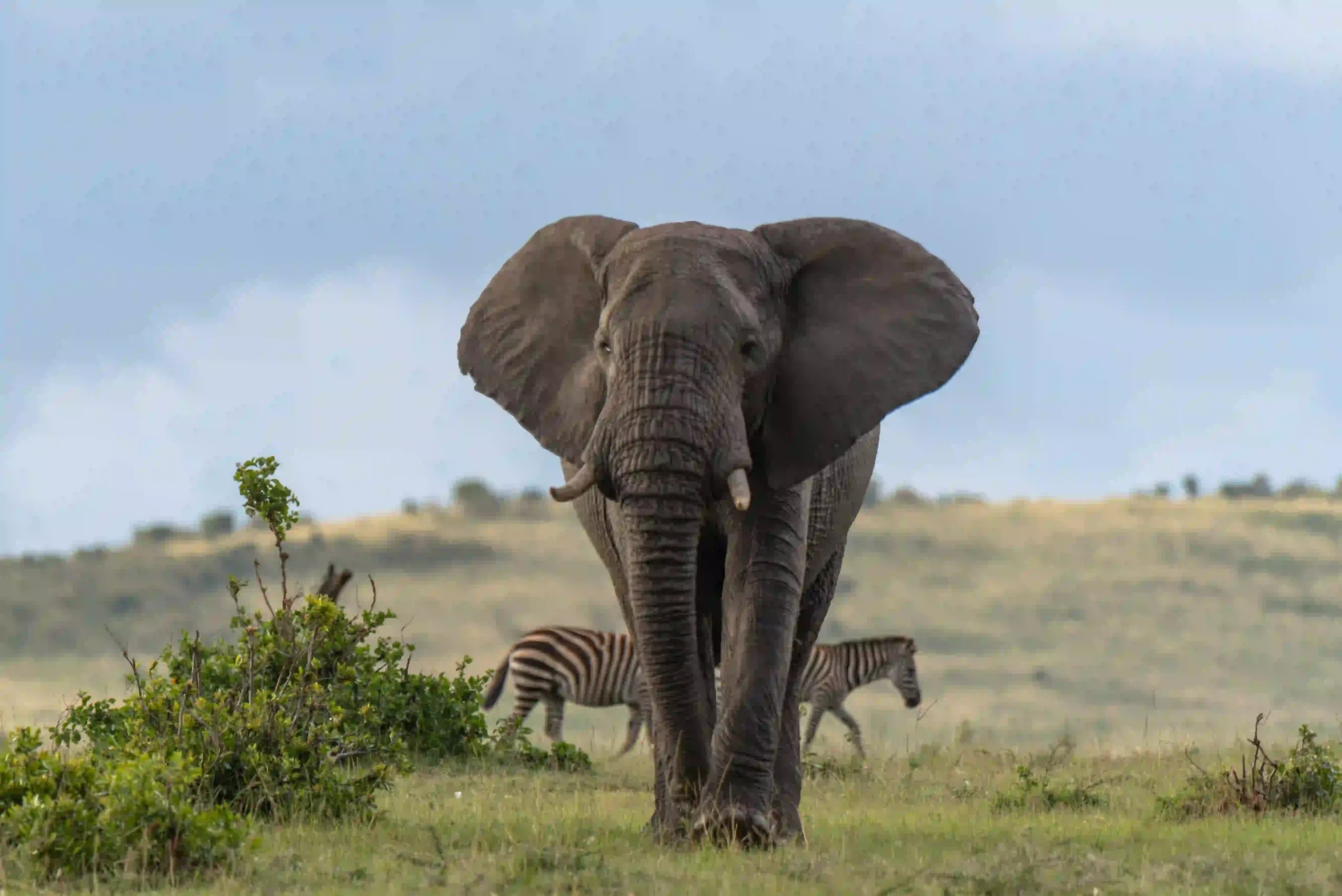
Scenes from recent 10 day safaris and cultural tours
These images come from routes that are very close to this plan and help show the quiet, patient style of game viewing and cultural time.
Guest reviews
Guests who choose this 10 day safari and culture route often comment on the relaxed pacing, careful guiding and the way wildlife days and cultural days support each other.
Frequently asked questions about this 10 day Tanzania safari tour
Is this 10 day tour good for first time visitors
Yes. The mix of wildlife and culture works very well for a first visit. You see famous places such as Serengeti and Ngorongoro and at the same time spend real time with communities that live nearby, which gives a fuller picture of northern Tanzania.
Can I shorten this itinerary
The plan can be trimmed to eight or nine days if needed, although that reduces either cultural time or wildlife time. If you want a shorter route that still feels complete you can also consider options such as the 8 day Tanzania safari which focuses more on Tarangire, Serengeti and Ngorongoro and less on culture.
Is it possible to add Zanzibar at the end
Adding Zanzibar beach time at the end is common. In that case you travel from Arusha to Zanzibar by air after the Lake Manyara day instead of flying straight home. This can turn the trip into a two week combination of safari and coast.
How early should I book for green season
December to March can be busy around Ndutu and central Serengeti. Booking several months in advance helps secure camps with the best access to good ground for the migration and calving.
Is the Hadzabe visit respectful and not staged
Hazina Afrika works with local partners who focus on small group visits, clear expectations and fair contributions to the community. The aim is to listen and learn rather than stage performances, and you can always adjust how active you are during the morning.
Send your enquiry
Your trip details are copied into the short form below. Please review everything, add any final notes and send your enquiry so we can prepare a clear proposal for you.